

Congenital Cystic Adenomatoid Malformation (CCAM)
- Apr 18
- 4 min read
Updated: Apr 24
Congenital cystic adenomatoid malformation (CCAM) is a rare lung condition that affects newborns. It involves abnormal lung tissue development before birth, leading to cystic formations in the lungs. Understanding CCAM in newborns is crucial for parents and healthcare providers to recognize symptoms early and decide on the best treatment approach. This post explains what CCAM is, how it differs from normal lung development, its symptoms, diagnosis methods, treatment options, and the importance of timely intervention.
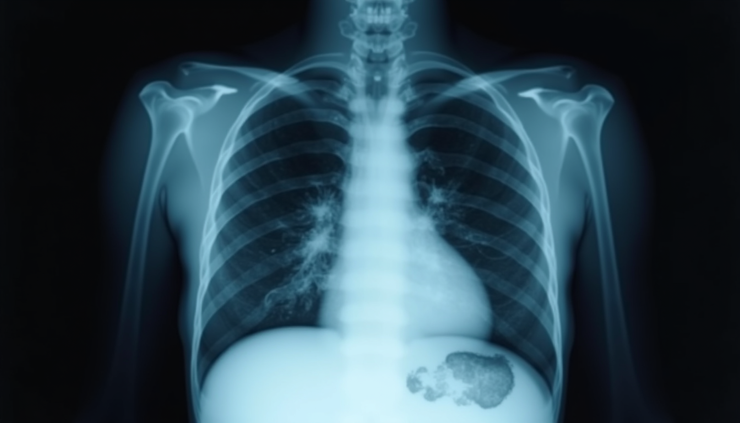
What Is Congenital Cystic Adenomatoid Malformation?
CCAM is a type of fetal lung malformation where abnormal cystic tissue replaces normal lung tissue during fetal development. Instead of forming healthy alveoli and airways, the lung develops cysts of varying sizes filled with fluid or air. These cysts can interfere with normal lung function and may cause breathing difficulties after birth.
Unlike typical lung development, where lung tissue grows uniformly to support breathing, CCAM causes localized overgrowth of cystic structures. The affected lung area may be enlarged or compressed, affecting the surrounding lung tissue and sometimes the heart.
How Is CCAM Different from Normal Lung Development?
Normal lung development involves the formation of branching airways and alveoli that allow efficient oxygen exchange. This process happens in stages during pregnancy, with lung tissue maturing to support breathing at birth.
In CCAM, this process is disrupted. Instead of normal branching, the lung tissue forms cysts that do not function properly. These cysts can vary in size:
Macrocystic CCAM: Large cysts visible on ultrasound or X-ray.
Microcystic CCAM: Small cysts that may appear as a solid mass.
This abnormal tissue does not contribute to breathing and may compress healthy lung areas, reducing overall lung capacity.
Symptoms of CCAM in Infants and Children
Symptoms depend on the size and location of the cysts. Some babies with small cysts may have no symptoms at birth, while others with larger cysts may show signs early.
Common symptoms include:
Rapid or difficult breathing
Bluish skin color (cyanosis) due to low oxygen
Repeated lung infections
Chest asymmetry or swelling
Poor feeding and fatigue
In some cases, CCAM may cause complications such as fluid buildup in the chest or heart problems due to pressure from the cysts.
How Is CCAM Diagnosed During Pregnancy or After Birth?
CCAM diagnosis often starts during pregnancy through routine ultrasound scans. Fetal ultrasound can detect abnormal cystic structures in the lungs as early as the second trimester. If CCAM is suspected, further imaging like fetal MRI may be used to assess the size and impact on surrounding organs.
After birth, doctors confirm the diagnosis with chest X-rays, CT scans, or MRI. These images help determine the cysts' size, number, and effect on lung function.
Early diagnosis allows planning for neonatal thoracic surgery if needed and close monitoring of the baby's breathing and growth.

When Is Surgery Needed for CCAM Cases?
Not all cases of congenital cystic adenomatoid malformation require surgery. The decision depends on symptoms, cyst size, and risk of complications.
Surgery is usually recommended when:
The cysts cause breathing difficulties or lung infections
There is a risk of cyst rupture or bleeding
The cysts compress healthy lung tissue or other organs
The cysts grow rapidly during infancy
Pediatric lung surgery involves removing the affected lung segment or lobe containing the cysts. This procedure is delicate and requires the expertise of the best pediatric surgeon or best CCAM surgeon in Cairo or Egypt to ensure the best outcomes.
In some mild cases, doctors may monitor the cysts closely without immediate surgery, especially if the baby shows no symptoms.
Is CCAM a Life-Threatening Condition if Left Untreated?
If left untreated, large or symptomatic congenital lung cysts in babies can lead to serious complications. These include respiratory failure, recurrent infections, and heart problems due to pressure on the chest organs.
However, many babies with small or asymptomatic cysts live healthy lives with careful monitoring. Early diagnosis and timely treatment by the best CCAM doctor in Cairo or Egypt significantly reduce risks and improve long-term lung function.
Finding the Best Care for CCAM in Newborns
Choosing the right specialist is critical for managing CCAM. The best pediatric surgeon in Egypt or the best CCAM surgeon in Cairo will have experience in neonatal thoracic surgery and fetal lung malformations. They can guide families through diagnosis, treatment options, and follow-up care.
Parents should seek centers with multidisciplinary teams including pediatric pulmonologists, radiologists, and surgeons to ensure comprehensive care.
Why Choose Dr Yehia Sayed El Ahl?
Dr Yehia Sayed El Ahl is one of the best pediatric surgeons in Cairo and Egypt, with extensive experience in managing complex neonatal and thoracic conditions including Congenital Cystic Adenomatoid Malformation (CCAM). His approach focuses on accurate diagnosis, precise surgical planning, and safe minimally invasive techniques whenever possible. With a strong track record in treating delicate newborn cases, he provides trusted care, advanced surgical expertise, and continuous follow-up to ensure the best outcomes for every child.


Comments