

Congenital Diaphragmatic Hernia
- Apr 18
- 3 min read
Updated: Apr 24
Congenital diaphragmatic hernia (CDH) is a serious condition that affects newborns, often leading to significant breathing difficulties right after birth. Understanding what CDH is, how it impacts lung development, and the treatment options available can help parents and caregivers prepare for the challenges ahead. This article explains the key aspects of CDH, from diagnosis to surgery and recovery, with a focus on expert care available in Cairo and Egypt.
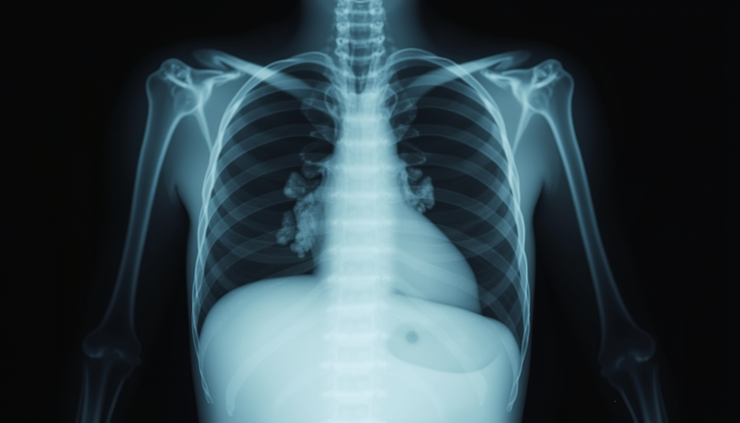
What is Congenital Diaphragmatic Hernia?
Congenital diaphragmatic hernia is a birth defect where there is an abnormal opening in the diaphragm, the muscle that separates the chest cavity from the abdomen. This opening allows abdominal organs like the stomach, intestines, or liver to move into the chest cavity. This displacement interferes with normal lung development, causing lung development problems in newborns.
How Does CDH Affect Lung Development in Newborns?
The presence of abdominal organs in the chest space restricts the growth of the lungs on the affected side. This results in underdeveloped lungs, a condition known as pulmonary hypoplasia. Because the lungs are smaller and less functional, the baby struggles to get enough oxygen after birth. This is why a CDH newborn often faces neonatal respiratory distress CDH, requiring immediate medical attention.
Why Do Babies with CDH Have Breathing Difficulties?
Breathing difficulties arise because the lungs cannot expand properly due to the space occupied by abdominal organs. The reduced lung size means less surface area for oxygen exchange. Additionally, the blood vessels in the lungs may be abnormal, leading to high blood pressure in the lungs (pulmonary hypertension), which further complicates breathing.
Is CDH Diagnosed Before or After Birth?
CDH can be diagnosed before birth through prenatal ultrasound scans. These scans may reveal the abnormal position of abdominal organs and the small size of the lungs. Early diagnosis allows doctors to plan for specialized care immediately after delivery. In some cases, CDH is only discovered after birth when the baby shows signs of respiratory distress.
What Are the Immediate Risks After Delivery?
After birth, a diaphragmatic hernia baby faces several risks:
Severe breathing difficulties due to lung underdevelopment
Low oxygen levels in the blood
Pulmonary hypertension causing heart strain
Potential for other associated birth defects
Newborns with CDH often require intensive care, including mechanical ventilation to support breathing.
How Is CDH Managed in Newborns?
Management of a CDH newborn focuses on stabilizing breathing and circulation. This usually involves:
Mechanical ventilation or extracorporeal membrane oxygenation (ECMO) in severe cases
Medications to manage pulmonary hypertension
Careful monitoring in a neonatal intensive care unit (NICU)
The goal is to support the baby until they are stable enough for surgery.
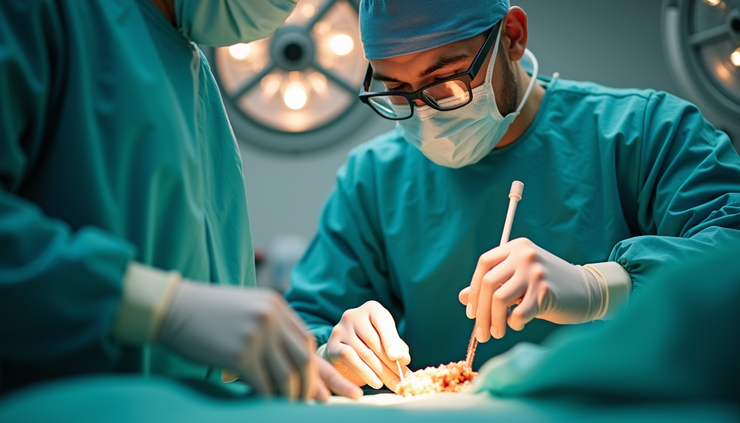
When Is Surgery Required for CDH?
Surgery is necessary to repair the congenital diaphragm defect by closing the hole in the diaphragm and returning the abdominal organs to their proper place. The timing of surgery depends on the baby's stability. Surgery is usually performed after the baby is stable enough to tolerate the procedure, which may be days or weeks after birth.
What Does Diaphragmatic Hernia Repair Involve?
CDH surgery infants undergo involves:
Making an incision in the chest or abdomen
Carefully moving the displaced organs back into the abdomen
Closing the hole in the diaphragm, sometimes using a patch if the defect is large
Ensuring the lungs and heart are not under pressure after repair
This surgery requires a skilled pediatric thoracic surgery CDH specialist due to the complexity and delicate nature of the procedure.
What Should Parents Expect After Surgery?
Recovery after diaphragmatic hernia repair can be gradual. Parents should expect:
Continued respiratory support until lung function improves
Possible feeding difficulties requiring tube feeding initially
Regular follow-ups to monitor lung growth and development
Support from a multidisciplinary team including pediatric surgeons, pulmonologists, and nutritionists
Long-term outcomes vary, but many children go on to lead healthy lives with proper care.
Why Choose Dr. Yehia Sayed ElAhl for CDH Treatment?
Dr. Yehia Sayed ElAhl provides expert care for critical neonatal conditions such as congenital diaphragmatic hernia, combining multidisciplinary management with advanced surgical techniques to improve survival and long-term outcomes.


Comments