

Meatal Stenosis
- Apr 18
- 3 min read
Updated: Apr 24
Meatal stenosis is a common pediatric urology condition that can cause urinary problems in children. Parents often notice changes in their child's urine flow, such as a weak urine stream or a stream that deviates from its usual path. Understanding what meatal stenosis is, why it happens, and how it is treated can help parents seek timely care and avoid complications.
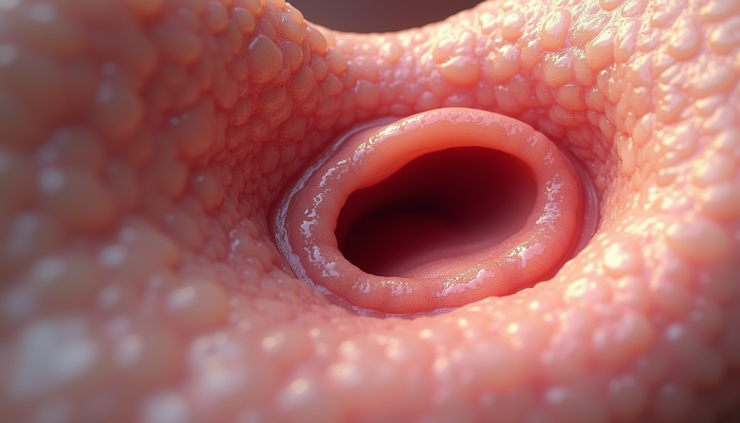
What Is Meatal Stenosis in Children?
Meatal stenosis refers to the narrowing of the urethral opening at the tip of the penis, called the meatus. This narrowing restricts urine flow, making it difficult for the child to urinate normally. It is especially common in young boys and can develop after circumcision, although it can also occur without any prior surgery.
When the meatus becomes too narrow, the urine stream weakens or changes direction. This can cause discomfort during urination and increase the risk of urinary tract infections.
Why Does Urine Flow Become Weak or Deviated?
A weak urine stream in a child often signals an obstruction or narrowing in the urinary tract. In meatal stenosis, the narrowed opening reduces the amount of urine that can pass through at once. This causes the stream to become thin and weak.
Sometimes, the urine stream may also deviate or spray in an unusual direction because the urine exits through a smaller, irregular opening. This can make toilet training and hygiene more challenging for children.
What Causes Meatal Stenosis After Circumcision?
Circumcision complications are a leading cause of meatal stenosis in children. The procedure removes the foreskin, exposing the sensitive tip of the penis. This exposure can cause irritation, inflammation, and scarring around the meatus.
Repeated irritation or improper healing after circumcision may cause the meatus to shrink and narrow. While not all circumcised boys develop meatal stenosis, it remains a known risk factor.
Other causes include:
Chronic irritation from diapers or soaps
Infections causing inflammation
Congenital narrowing present from birth
How Is Meatal Stenosis Diagnosed?
Diagnosis usually begins with a detailed history and physical examination by a pediatric urologist. Parents may report symptoms such as:
Weak urine stream child
Pain or burning during urination
Frequent urination or urinary tract infections
During the exam, the doctor inspects the meatus for narrowing or redness. In some cases, urine flow studies or imaging tests may be used to assess the severity of the stenosis.
Early diagnosis is important to prevent complications and plan appropriate treatment.
When Is Surgery Needed for Meatal Stenosis?
Not all cases require surgery. Mild narrowing may improve with conservative care, such as avoiding irritants and monitoring symptoms.
Surgery becomes necessary when:
The urine stream is consistently weak or deviated
The child experiences pain or recurrent infections
The narrowing causes urinary retention or bladder problems
The goal of surgery is to widen the meatus to restore normal urine flow and prevent further complications.
What Happens During Treatment or Minor Surgery?
Meatal stenosis treatment typically involves a minor surgical procedure called meatotomy or meatoplasty. This is usually done under local or general anesthesia depending on the child's age and comfort.
The surgeon makes a small incision to enlarge the meatus, removing any scar tissue causing the narrowing. The procedure is quick, often lasting less than 30 minutes, and usually performed on an outpatient basis.
After surgery, the child may experience mild discomfort or burning during urination for a few days. Pain is generally well controlled with simple medications.

Is the Procedure Simple and Safe?
Yes, meatotomy is a simple and safe procedure when performed by an experienced pediatric surgeon. Complications are rare but can include bleeding, infection, or recurrence of stenosis.
Choosing the best pediatric surgeon ensures the highest standards of care and reduces risks. The best pediatric surgeon in Cairo and Egypt will have specialized training in pediatric urology conditions and pediatric penile surgery, providing expert treatment tailored to children’s needs.
What Should Parents Expect After Treatment?
After meatal stenosis treatment, parents should expect:
Improved urine flow within days
Mild discomfort that resolves quickly
Follow-up visits to monitor healing
Instructions on hygiene to prevent irritation
Most children return to normal activities quickly. Long-term outcomes are excellent with proper care.
Parents should watch for signs of infection or recurrence and contact their doctor if concerns arise.
Why Choose Dr. Yehia Sayed ElAhl for Meatal Stenosis Treatment?
Dr. Yehia Sayed ElAhl provides accurate diagnosis and effective treatment for meatal stenosis using safe and minimally invasive techniques. His experience ensures quick recovery and excellent outcomes. Families looking for the best pediatric surgeon in Cairo or the best pediatric surgeon in Egypt can trust his expertise.
Families trust Dr. Yehia for:
Personalized treatment plans
Advanced surgical techniques
Gentle approach to pediatric penile surgery
Clear communication and support
Choosing Dr. Yehia ensures your child receives the highest quality meatal stenosis treatment with excellent outcomes.


Comments