

Evaluation of DSD Cases
- Apr 18
- 4 min read
Updated: Apr 29
Disorders of sexual development (DSD) present complex challenges that require careful and timely evaluation. Early assessment is crucial for newborns showing signs of DSD to ensure proper diagnosis, treatment, and support. This post explores what is involved in the evaluation of DSD cases, the importance of early testing, the role of genetics, hormones, and imaging, and how families are guided through the process. It also highlights why choosing the best DSD doctor in Cairo, such as Dr. Yehia Sayed ElAhl, can make a significant difference in outcomes.
What Is Involved in Evaluating DSD Cases?
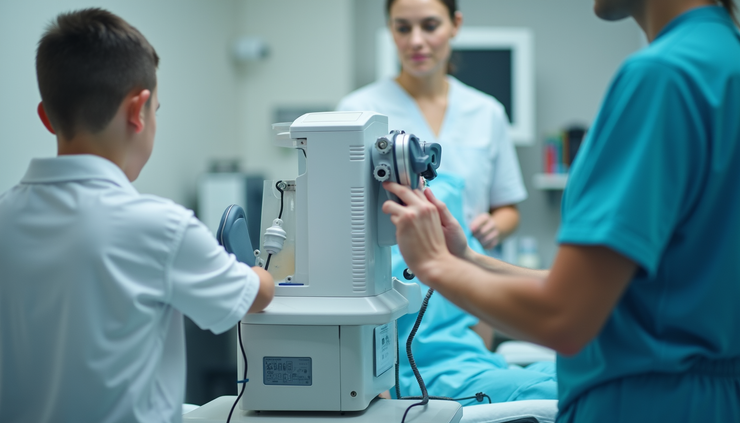
Evaluating DSD cases involves a multidisciplinary approach that includes clinical examination, laboratory testing, imaging, and genetic analysis. The goal is to understand the underlying cause of the atypical sexual development and to establish a clear diagnosis. This process often starts with a neonatal DSD workup when a newborn shows ambiguous genitalia or other signs suggesting a disorder of sexual development.
Key steps include:
Detailed physical examination by a pediatric surgeon or endocrinologist
Collection of family and prenatal history
Laboratory tests to assess hormone levels
Genetic testing DSD to identify chromosomal or gene abnormalities
Imaging studies to evaluate internal reproductive organs
Why Is Early Evaluation Important in Newborns?
Early evaluation of DSD cases is critical because it allows for timely medical intervention and psychological support. Newborns with DSD may face health risks such as salt-wasting crises or hormone imbalances that require urgent treatment. Early diagnosis also helps families understand the condition and make informed decisions about gender assignment and future care.
Prompt DSD assessment newborn ensures that any life-threatening conditions are addressed quickly and that the child receives appropriate hormonal or surgical treatment if needed. Early evaluation also reduces anxiety for parents by providing clear information and guidance.
What Tests Are Required for Proper Assessment?
The disorders of sexual development evaluation includes several tests to gather comprehensive information:
Hormonal testing DSD children: Measuring levels of testosterone, dihydrotestosterone, anti-Müllerian hormone, and other relevant hormones helps determine the functional status of gonads and adrenal glands.
Genetic testing DSD: Karyotyping and molecular genetic tests identify chromosomal patterns (e.g., XX, XY, mosaicism) and gene mutations that cause DSD.
Biochemical assays: These assess enzyme activity related to steroidogenesis.
Imaging studies: Ultrasound or MRI scans visualize internal reproductive structures such as testes, ovaries, uterus, or vaginal remnants.
How Are Genetic and Hormonal Factors Analyzed?
Genetic testing DSD plays a vital role in pinpointing the exact cause of the disorder. For example, a child with ambiguous genitalia might have androgen insensitivity syndrome, congenital adrenal hyperplasia, or a chromosomal anomaly. Genetic tests help differentiate these conditions by analyzing chromosomes and specific gene mutations.
Hormonal testing DSD children complements genetic analysis by revealing how the body produces and responds to sex hormones. Abnormal hormone levels can indicate enzyme deficiencies or receptor problems. Together, genetic and hormonal data form the foundation of the pediatric endocrine evaluation.
What Role Does Imaging Play in Evaluation?
Imaging is essential to assess the presence and condition of internal reproductive organs. Ultrasound is often the first choice because it is non-invasive and widely available. It can detect testes, ovaries, or Müllerian structures and help identify anomalies such as undescended testes or absent uterus.
MRI provides more detailed images when ultrasound results are inconclusive. Imaging findings guide decisions about surgery and hormone therapy, making it a key part of the DSD diagnosis process.

How Is the Full Diagnosis Established?
The full diagnosis combines clinical findings, hormonal profiles, genetic results, and imaging data. Specialists review all information to classify the type of DSD and determine the best treatment plan. This comprehensive approach ensures accuracy and helps avoid misdiagnosis.
The neonatal DSD workup often requires collaboration between pediatric surgeons, endocrinologists, geneticists, and psychologists. This team approach supports a thorough understanding of the condition and its implications.
What Challenges Can Occur During Evaluation?
Evaluating DSD cases can be challenging due to:
Variability in clinical presentation, making diagnosis complex
Limited availability of advanced genetic tests in some regions
Emotional stress for families facing uncertain outcomes
Need for careful timing of tests to avoid misleading results
Balancing urgency of treatment with the need for thorough assessment
These challenges highlight the importance of experienced specialists who can navigate the diagnostic process with sensitivity and expertise.
How Are Parents Guided Through the Process?
Parents receive clear explanations about the evaluation steps, possible diagnoses, and treatment options. Counseling is a key part of the process to help families cope with uncertainty and make informed decisions. The medical team provides ongoing support and answers questions throughout the pediatric endocrine evaluation and beyond.
Families are encouraged to participate actively in care planning and to seek second opinions if needed. This partnership builds trust and improves outcomes.
What Comes After Initial Evaluation?
After the initial evaluation, the medical team develops a personalized treatment plan. This may include:
Hormone replacement therapy
Surgical interventions by the best pediatric surgeon in Cairo or Egypt
Psychological support for the child and family
Long-term follow-up to monitor growth, development, and health
Regular reassessment ensures that treatment adapts to the child’s changing needs.
Why Choose Dr. Yehia Sayed ElAhl for DSD Evaluation?
Dr. Yehia Sayed ElAhl ensures thorough and accurate evaluation of DSD cases through a structured and multidisciplinary approach. His expertise allows for precise diagnosis and clear management pathways tailored to each child.



Comments