

Congenital Abdominal Wall Defects
- Apr 18
- 4 min read
Congenital abdominal wall defects affect newborns and require prompt medical attention. These conditions involve openings or weaknesses in the abdominal wall that allow internal organs to protrude outside the body. Understanding these defects, their causes, diagnosis, and treatment options is essential for parents and caregivers. This post explains the main types of congenital abdominal wall defects, how they are diagnosed, and the surgical care newborns may need.
What Are Congenital Abdominal Wall Defects?
Congenital abdominal wall defects are birth defects where the muscles or skin of the abdomen do not form properly. This results in an opening through which organs such as intestines or liver can protrude. These defects are present at birth and fall under the category of congenital anomalies in babies. They are part of neonatal surgical conditions that often require specialized care from a newborn surgery specialist.
Causes of Abdominal Wall Defects in Newborns
The exact cause of abdominal wall defects is not always clear. They may result from genetic factors, environmental exposures during pregnancy, or a combination of both. Some risk factors include:
Young maternal age
Smoking or drug use during pregnancy
Certain medications or infections during pregnancy
These factors can interfere with the normal development of the abdominal wall in the fetus.
Types of Abdominal Wall Defects
The two most common types of congenital abdominal wall defects are gastroschisis and omphalocele.
Gastroschisis
Gastroschisis occurs when the abdominal wall fails to close completely, usually to the right of the umbilical cord. This defect leaves the intestines exposed outside the baby’s body without a protective sac. It requires urgent gastroschisis treatment after birth to protect the organs and repair the defect.
Omphalocele
Omphalocele is a defect where the intestines, and sometimes other organs like the liver, protrude through the umbilical ring but remain covered by a thin membrane. Omphalocele surgery involves careful management of this sac and repair of the abdominal wall.
How Are Congenital Abdominal Wall Defects Diagnosed?
Abdominal wall defect diagnosis often begins during pregnancy through routine ultrasound scans. These scans can detect the presence of organs outside the abdominal cavity. After birth, physical examination confirms the diagnosis. Additional imaging like X-rays or MRI may be used to assess the extent of the defect and any associated anomalies.
Symptoms of Abdominal Wall Defects in Babies
The most obvious symptom is the visible protrusion of abdominal organs through the defect. Other signs include:
Swelling or bulging at the belly button area
Difficulty feeding or breathing if the defect is large
Signs of infection if the exposed organs are not protected
Early recognition is critical to prevent complications.
When Is Surgery Needed for Abdominal Wall Defects?
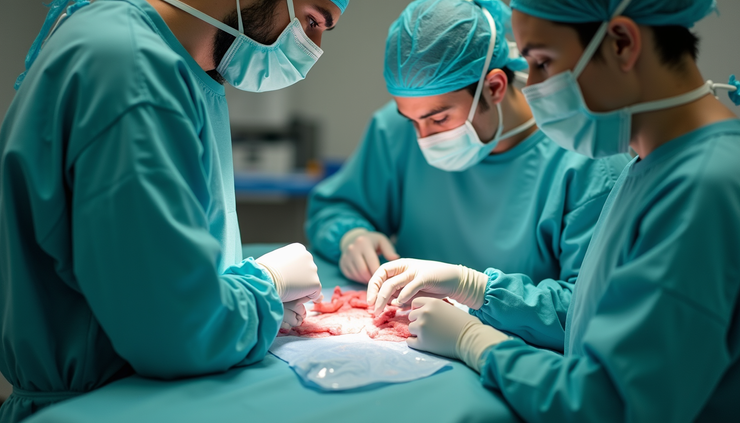
Surgery is necessary soon after birth for most babies with congenital abdominal wall defects. The timing depends on the type and severity of the defect:
Gastroschisis treatment usually involves immediate surgery to place the exposed intestines back into the abdomen and close the defect.
Omphalocele surgery may be done in stages if the defect is large, allowing gradual reduction of the organs into the abdomen.
A pediatric surgeon for newborns will evaluate the baby’s condition and decide the best surgical approach.
How Is Gastroschisis Treated in Newborns?
Treatment of gastroschisis focuses on protecting the exposed intestines and preventing infection. The newborn is stabilized, and the intestines are covered with sterile materials. Surgery involves:
Returning the intestines to the abdominal cavity
Repairing the abdominal wall defect
Monitoring for complications like bowel damage or infection
Sometimes, a silo bag is used to gradually reduce the intestines before final closure.
How Is Omphalocele Managed?
Treatment of omphalocele depends on the size of the defect and the organs involved. Small omphaloceles may be repaired soon after birth. Larger defects require staged repair:
Protecting the sac covering the organs
Gradual reduction of the organs into the abdomen
Final abdominal wall defect repair once the organs are inside
Careful monitoring for associated congenital anomalies is important.
Risks and Complications of Abdominal Wall Defects
Babies with abdominal wall defects face several risks, including:
Infection of exposed organs
Damage to intestines causing feeding problems
Breathing difficulties if the defect affects the diaphragm
Associated congenital anomalies affecting the heart or lungs
Prompt neonatal abdominal surgery reduces these risks.
Recovery After Neonatal Abdominal Surgery
Recovery involves close monitoring in a neonatal intensive care unit. Key aspects include:
Pain management and wound care
Gradual introduction of feeding through a tube or IV
Monitoring for infection or complications
Supportive care to help the baby grow and develop
Parents should expect a hospital stay of several weeks depending on the complexity of the surgery.
When Should Parents Consult a Pediatric Surgeon for Abdominal Wall Defects?
Parents should seek advice from a pediatric surgery specialist if:
Prenatal ultrasound shows signs of an abdominal wall defect
The newborn has visible protrusion of abdominal organs
There are feeding or breathing difficulties after birth
Early consultation with a newborn surgery specialist or pediatric surgeon for congenital defects ensures timely treatment and better outcomes. In regions like neonatal surgery Egypt, specialized centers provide expert care for these conditions.


Comments